
 Cart is empty

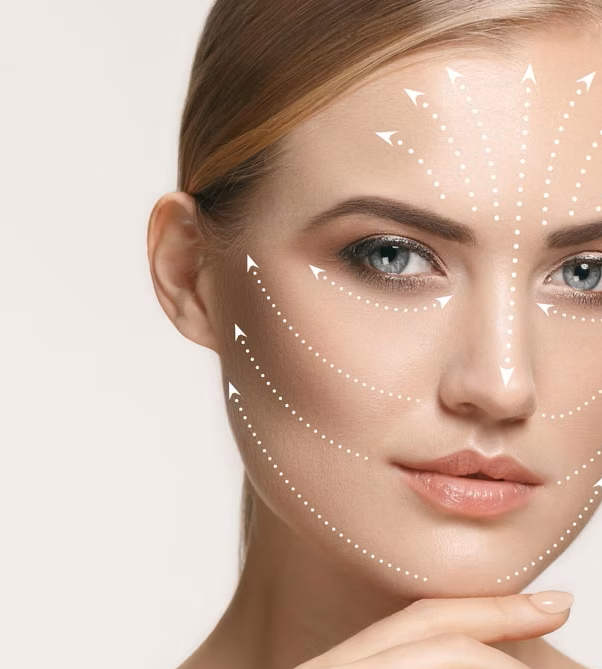
Over the last few years, injectable aesthetic medicine has shifted from being solely wrinkle-centric to focusing on skin health and rejuvenation. One of these technologies is injectable skin boosters, which have become one of the most effective methods for enhancing skin quality, texture, hydration, and glow without requiring any invasive procedure. For anyone seeking dewier, firmer, younger-looking skin, it is essential to understand which injectable skin boosters are best and how they work.
In this comprehensive guide, we examine the nature of injectable skin boosters, why they are so popular, how they differ from other treatments, and the results you can expect.
What Are Injectable Skin Boosters?
Injectable skin boosters are the latest cosmetic procedures designed to enhance your skin’s appearance from within. Instead of using specific ingredients to reduce muscle movement or the appearance of fine lines (as with Botox), skin boosters deliver hydrating and healing factors directly into the deeper dermal layer of the skin, which contributes to firmness and elasticity.
What's In Skin Boosters?
Hyaluronic Acid – A naturally occurring molecule hailed as a water-attracting and retaining molecule, is the most common ingredient of these boosters. When applied to the skin via micro-injections, hyaluronic acid helps restore moisture and elasticity and support natural skin healing.
In contrast to traditional dermal fillers, which enhance volume and shape, skin boosters are slower and add radiance and health to the skin, enhancing it without significant alteration to facial features.
Why Use Injectable Skin Boosters?
The popularity of injectable skin boosters stems from their ability to address issues that traditional injectables, such as Botox and Dermal Fillers, cannot fully resolve. The main reasons our clients use skin boosters are:
Enhanced Hydration
We lose collagen and hyaluronic acid as we age, resulting in dry, dull, and rough skin. Skin Boosters replenish the skin with moisture, making it plumper.
Improved Texture and Tone
Beyond simple hydration, skin boosters are a treatment for those seeking to refine texture and soften the first signs of fine lines. By enhancing the skin’s tone, these treatments restore a natural, lit-from-within quality, proving particularly transformative for delicate, high-visibility areas like the cheeks, the under-eyes, and the often-overlooked décolletage.
Subtle, Natural Results
Skin Boosters, contrary to volumising fillers, add to the existing. The outcomes are natural and gentle, ideal for customers seeking elegance rather than theatricality.
Long-Lasting Effects
Although not a long-term solution, injectable skin boosters can deliver lasting results, particularly when an individual undergoes a series of recommended treatments.
Minimal Downtime
The average time spent for a Skin Booster treatment is less than 30 minutes, and the resulting redness and swelling are minimal, allowing clients to resume their everyday routine quickly.
The Key Markers of a High-Performance Skin Boosters
While not all skin boosters are created equal, the leading injectables share several key characteristics.
Good Quality Hydrating Ingredients.
Top boosters contain high levels of hyaluronic acid and supportive ingredients, such as amino acids, vitamins, or antioxidants, to support skin health from within.
Always check with your Clinic that they are using Well Known Reputable Brands such as Profhilo, Lumi-Pro, Sunekos, etc. Beware of cheap, unregulated brands.
Precision Delivery
The best practitioners use micro-injections with high quality fine needles performed at specific depths to ensure even distribution and optimal results and minimum discomfort.
Customised Treatment Plans
Patients’ skin varies. Individualised plans based on an in-depth consultation that considers skin type, age, lifestyle, and aesthetic objectives offer the best results.
Safety and Expertise: Why Expertise is Your Best Ingredient
A skilled and experienced Aesthetic practitioner must always administer injectable treatments to reduce risk and maximise positive outcomes.
While the quality of the skin booster is paramount, the true magic lies in the practitioner’s hands. An injectable treatment is a complicated blend of science, art, and experience.
The Practitioner: Skill and Artistry
A skilled Aesthetic Practitioner brings more than just technical ability; they bring a diagnostic eye. To ensure the most luminous results, your provider must master:
- Dermal Depth Precision: Skin boosters are not “one size fits all.” A practitioner must identify the exact layer of the dermis to place the product; too shallow, and it may cause visible bumps; too deep, and the hydration benefits are lost.
- Targeted Placement: Whether it’s the fine “smile lines” around the eyes or the thinning skin of the décolletage, an expert understands how to map the face to maximise light reflection and structural support.
- Complication Mitigation: While skin boosters are minimally invasive, an experienced professional ensures a sterile environment and possesses the medical knowledge to manage any rare inflammatory responses immediately
Where Skin Boosters Are Most Frequently Applied?
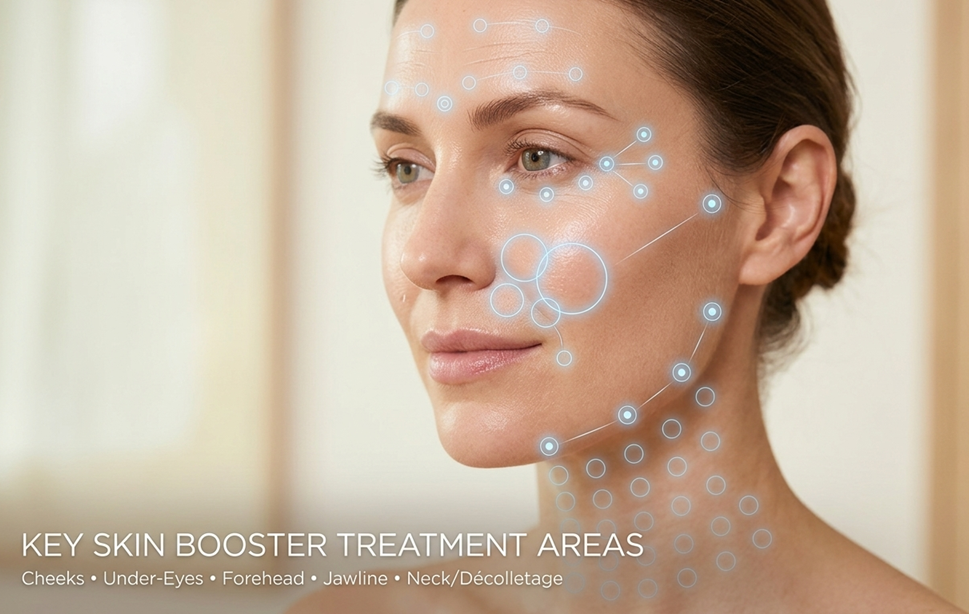
Although Skin boosters can be administered in virtually any area, the common areas of treatment are usually limited to the following:
The Main Treatment Zones
- The Face: This is the most common application, specifically targeting fine lines around the cheeks and lower face to enhance hydration, improve texture and create a youthful radiance.
- The Neck: Used to treat “tech neck” lines and crepey skin texture that occurs with age.
- The Décolletage: Often used to smooth out sun damage and sleep-induced wrinkling on the chest.
- The Hands: Excellent for enhancing the skin by hydrating the thin skin on the back of the hands.
What to Expect When Being Treated?
An average injectable skin-booster session is fast, painless, and minimally uncomfortable.
Before the Treatment
- Consultation: The Clinician will fully assess your skin and provide detailed insight into the most appropriate treatment points. They will then create an injection point map.
- Numbing: A topical anaesthetic (numbing cream) can be applied, if required, 10-15 minutes before the procedure to make it more comfortable.
During the Procedure
- The Injections: The skin-boosting solution is injected in small quantities and at strategic points of the dermis with ultra-fine needles
- The Sensation: You might feel a minimal, slight pinch or a stinging sensation as the product enters the skin. It is normal and usually well-tolerated.
- Duration: The procedure usually takes only 15 to 30 minutes.
After the Treatment: What to Expect from Skin Boosters
- Initial Response: Small marks at the injection sites immediately after treatment are common. These resemble tiny insect bites and are a residual inflammatory response.
- The Active Phase: Typically, within 24 to 48 hours, as your skin recovers, it naturally absorbs and disperses the product into the surrounding tissue.
- Recovery: While you might experience minor swelling or a faint bruise, these temporary effects fade quickly, leaving behind a refreshed complexion within a few days.
The Results Timeline
- The “Glow” Window: Unlike fillers, you won’t see a “new face” instantly. You’ll notice improved hydration and a “glow” within 1 to 2 weeks.
- Cumulative Benefits: Boosters require 2 to 3 treatments, spaced about a month apart, for best results. Your best skin usually appears around a month after the final session.
- Downtime is usually between 24 and 48 hours. The client should avoid intense exercise, saunas, and alcohol during this time to allow swelling to reduce and help the small bumps that look like bee stings to settle faster.
How Many Sessions Are Needed?
- Cumulative treatment is the normal procedure. Leading Skin Boosters are designed to create meaningful results that build over time.
- The typical program for best results is 2 to 3 sessions spaced approximately 4 weeks apart.
Why multiple sessions?
- The Loading Phase: The first treatment “wakes up” the skin and begins the hydration process.
- The Building Phase: Subsequent sessions layer the Hyaluronic Acid to create a dense, long-lasting reservoir of moisture.
- Collagen Stimulation: It takes time for your body to respond to the injections and start producing its own fresh collagen and elastin.
What's the Maintenance Schedule for Skin Boosters?
Once you have completed your initial course, you don’t need to start from scratch every month. To keep that “glass skin” glow, most practitioners recommend a single maintenance session every 6 to 8 months.
Who Is a Good Candidate For Skin Boosters?
Injectable skin boosters are suitable for adults seeking to improve skin quality without significant volumising or surgery.
What are the Conditions that Respond Best to Treatment?
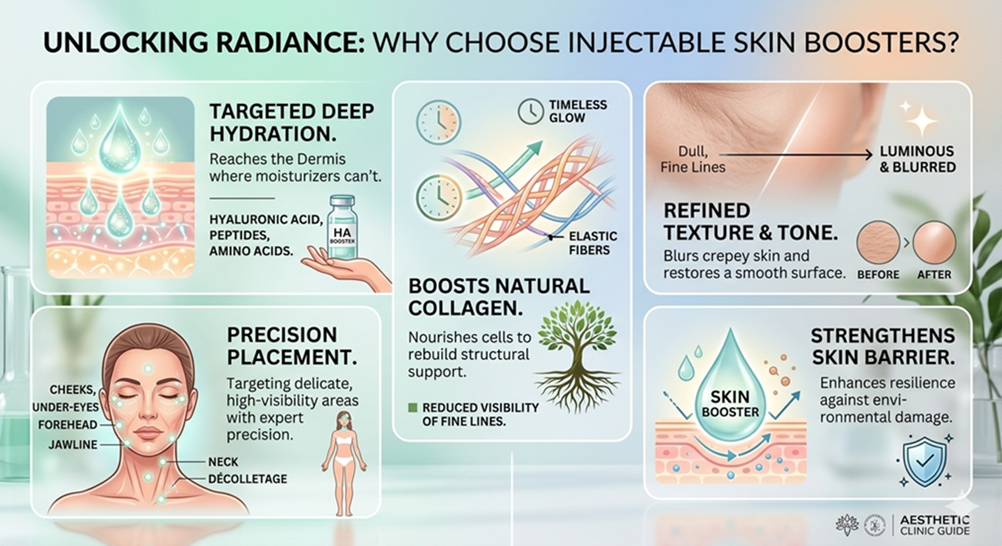
Chronic Dehydration & "Crepey" Texture
Standard moisturisers often sit on the surface, but boosters deliver Hyaluronic Acid (HA) into the deeper dermis.
- The Result: It eliminates that “parched” look and smooths out the fine, paper-like crinkles (crepiness) often seen on the cheeks or neck.
The "Tired" or Dull Complexion
When skin loses its ability to reflect light, it looks grey or fatigued. It is often due to a lack of internal moisture and slow cell turnover.
- The Result: Boosters act like an internal highlighter, creating a “lit-from-within” glow that lasts for months rather than hours.
Early Signs of Laxity (Skin "Softness")
While they aren’t surgical lifts, boosters like Profhilo or polynucleotides stimulate collagen and elastin production.
- The Result: They provide a subtle “snap-back” to skin that has started to feel slightly loose or thin, particularly along the jawline and décolletage.
Lingering Acne Scarring & Textural Irregularities
For those with “pitted” texture or post-inflammatory marks, skin boosters (especially when paired with microneedling) help rebuild the skin’s architecture.
- The Result: They “plump” the indentations from below, making the surface of the skin appear more even and refined
Injectable Skin Boosters Compared With Other Treatments
The question many people ask themselves is how skin boosters compare to other aesthetic solutions:
- Dermal fillers vs Skin Boosters: Both are injectable treatments. The key use case for dermal fillers is to replace lost volume associated with ageing and to shape facial contours. Skin boosters improve skin quality, hydration, and texture.
- Skin Boosters vs Botox: Botox reduces the appearance of wrinkles by relaxing the underlying muscles. Skin boosters do not affect muscle movement; they enhance the skin’s surface and texture.
- Topical Products vs Skin Boosters: Topical products act as a daily shield for the skin’s surface, whereas skin boosters act as an internal reservoir that hydrates and revitalises the skin’s underlying layers
Final Thoughts on Skin Boosters
For individuals seeking a bright, healthy, firm complexion, injectable skin boosters are among the most promising innovations in contemporary aesthetic medicine. They fill the niche between cosmetic and skincare injections, which provide hydration and texture enhancement.
Invest in your skin’s long-term vitality. Have a Free Consultation at WINDSOR MEWS CLINIC
Written by Sabine Lepere, Lead Practitioner at Windsor Mews Clinic, specialising in Advanced Facial Aesthetics.
