
 Cart is empty

- Home
- About Us
- Adipeau
- Treatments
- Professional Skin Care Solutions
From hydration to anti-aging, explore treatments that work.
-
- Health & Performance Testing
- Health & Performance Testing
Flexible Blood Collection: In-Clinic or At-Home Convenience.
-
- Shop
- Blogs
- Contact
Inflammation Testing at Windsor Mews Clinic
Measure key markers and proteins with our inflammation blood test to detect, monitor, and uncover the root cause of chronic health issues.
Why should you be aware of Chronic Low-Grade Inflammation?
Chronic low-grade inflammation is widely recognised as a silent driver behind metabolic decline, cardiovascular disorders, skin health deterioration, and accelerated systemic biological ageing. Windsor Mews Clinic provides structured diagnostic frameworks to identify, map, and track systemic inflammatory pathways with analytical precision.
Profile 1: Basic Inflammatory Screening
Who Is This For?
It is intended for individuals without symptoms seeking a basic health check, as well as those monitoring their recovery after intense physical training or minor cosmetic procedures.
Clinical Diagnostic Purpose
hs-CRP is a liver-produced protein that acts as an early warning system for inflammation. It helps evaluate:
- Your baseline inflammation levels.
- Your overall cardiovascular (heart) risk.
Biomarker
- hs-CRP (High-Sensitivity C-Reactive Protein)

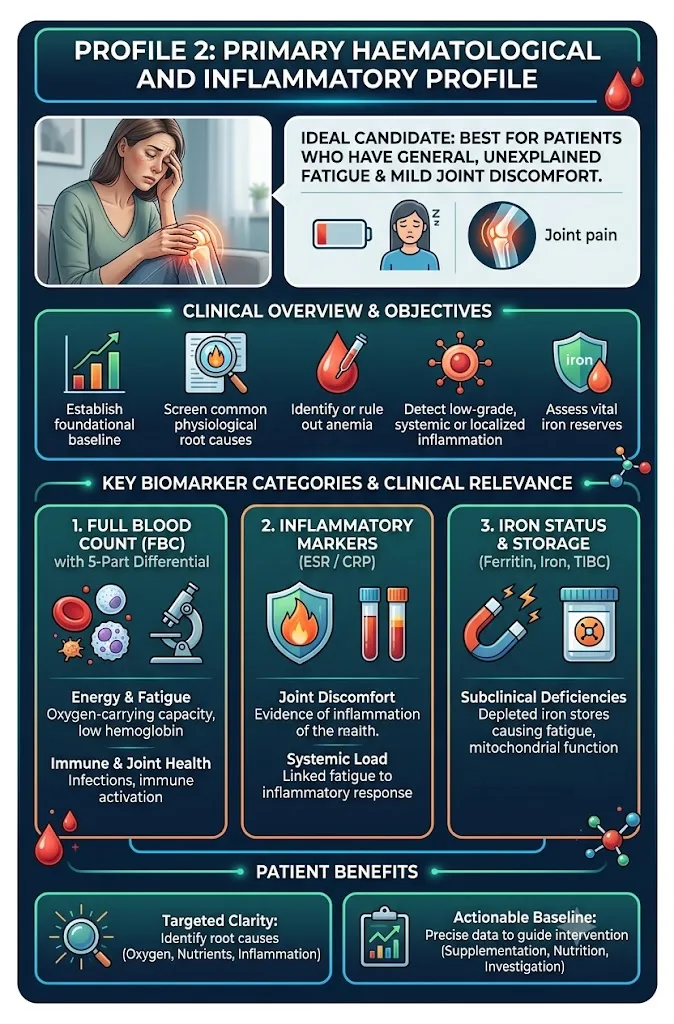
Profile 2: Core Blood & Inflammation Tests
What are we looking for with this Profile?
Targets persistent fatigue and recurring joint discomfort to check if underlying inflammation or nutrient deficiencies are hurting your physical performance.
Clinical Overview & Objectives
- Identify or rule out various forms of anaemia and oxygen-transport deficiencies.
- Detect low-grade, systemic, or localised inflammation that could be driving joint discomfort.
- Assess vital iron reserves necessary for cellular energy production and metabolic function.
Key Biomarker Categories & Clinical Relevance
- Full Blood Count (FBC)
- What it measures: Red blood cells, white blood cells and specific subtypes, as well as haemoglobin, haematocrit, and platelets.Clinical Significance:
- Low haemoglobin or abnormal red blood cell indices indicate anaemia, a primary cause of fatigue.
- Test identifies chronic infections or immune activity presenting as mild joint pain.
- What it measures: Red blood cells, white blood cells and specific subtypes, as well as haemoglobin, haematocrit, and platelets.Clinical Significance:
- Inflammatory Markers: ESR/CRP
- What it measures: Markers of systemic inflammation.
- Clinical Significance:
- Elevated markers suggest autoimmune issues rather than wear and tear.
- Tests determine if fatigue is linked to bodily inflammation.
- Iron Status & Storage (Ferritin, Iron, TIBC)
- What it measures: Iron levels, binding capacity, and ferritin.
- Clinical Significance:
- Flags low iron before anaemia appears, pinpointing the cause of fatigue, poor focus, and low muscle strength.
-
Profile 2: Core Blood & Inflammation Assessment £140.00
Profile 3: Inflammation & Iron Check
This is for people who want to understand the underlying causes of rapid ageing, slow metabolism, or persistent skin inflammation.
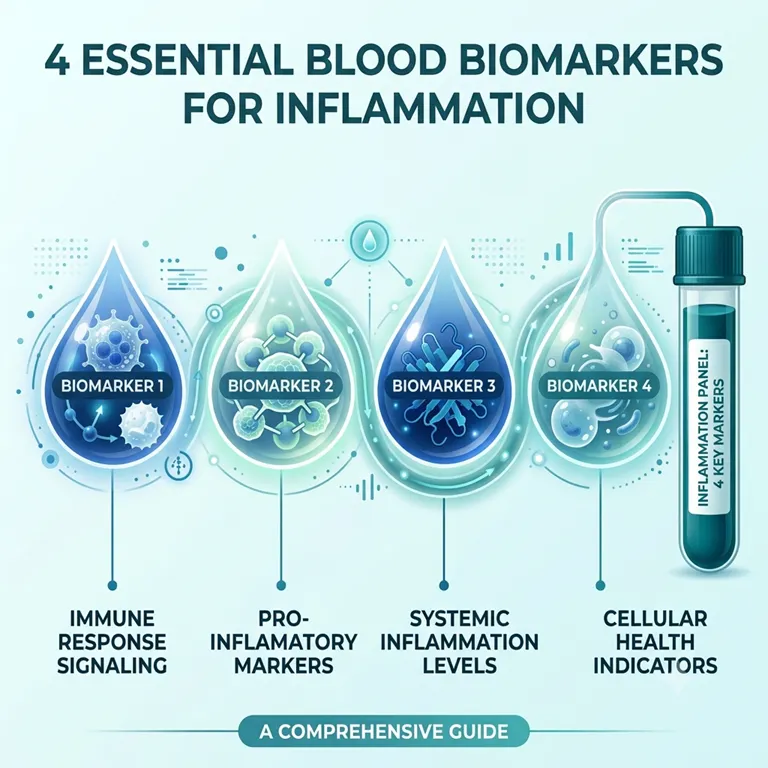
4 Essential Tests for Tracking Inflammation and What They Mean
- hs-CRP & ESR: Core evaluation of acute-phase response and systemic cell-precipitation metrics.
- FBC with Differential: Comprehensive baseline white cell and cellular morphology assessment.
- Ferritin: An iron-storage protein that acts as an acute-phase reactant. Elevates significantly during tissue inflammation independently of iron stores.
- Uric Acid: A byproduct of purine metabolism; elevated levels trigger dangerous crystals and promote cellular oxidative stress and underlying vascular inflammation.

Profile 4: Comprehensive Inflammation, Heart & Metabolic Panel
This panel is ideal for high-performance individuals and strength athletes tracking physical stress, or anyone seeking a thorough checkup for heart health and longevity.
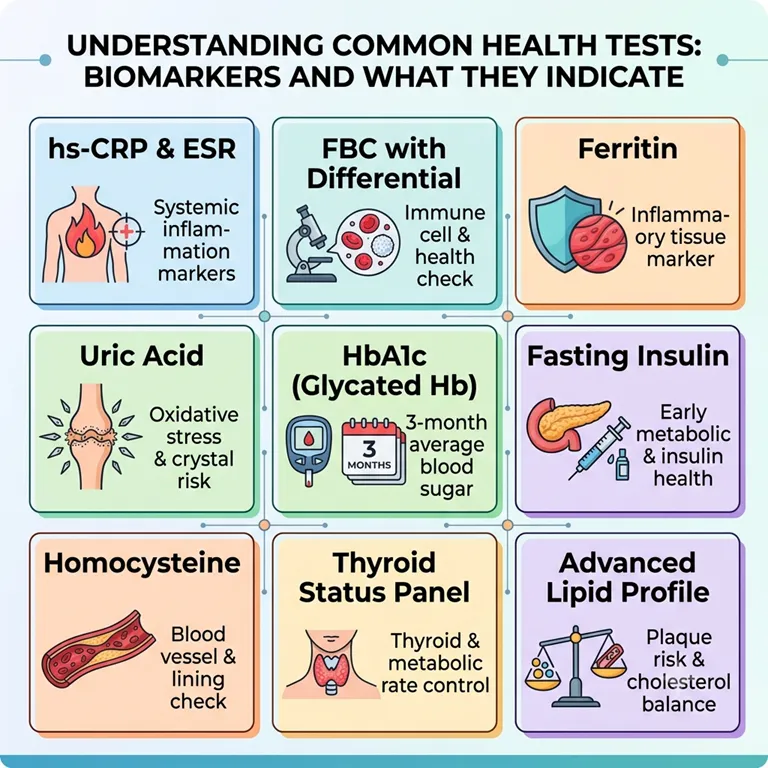
- hs-CRP & ESR: Core evaluation of acute-phase response and systemic cell-precipitation metrics.
- FBC with Differential: Comprehensive baseline white cell and cellular morphology assessment.
- Ferritin: An iron-storage protein that acts as an acute-phase reactant. Elevates significantly during tissue inflammation independently of iron stores.
- Uric Acid: A byproduct of purine metabolism; elevated levels trigger dangerous crystals and promote cellular oxidative stress and underlying vascular inflammation.
- HbA1c (Glycated Hb): Evaluates the 3-month average plasma glucose concentration. Highlights glycation pathways and advanced glycation end-products (AGEs) that cause structural damage to tissues.
- Fasting Insulin: An early indicator of metabolic dysfunction and insulin resistance, which directly drive systemic inflammation of the endothelial wall.
- Homocysteine: A protein byproduct that your body normally recycles. If your body lacks a specific enzyme helper (MTHFR), it builds up, causing irritation on the interior lining of blood vessels.
-
Profile 4: Comprehensive Inflammation, Heart & Metabolic Panel £190.00
Profile 5: The Windsor Mews Ultimate Inflammation & Longevity Screen
- hs-CRP & ESR: Core evaluation of acute-phase response and systemic cell-precipitation metrics.
- FBC with Differential: Comprehensive baseline white cell and cellular morphology assessment.
- Ferritin: An iron-storage protein that acts as an acute-phase reactant. Elevates significantly during tissue inflammation independently of iron stores.
- Uric Acid: A byproduct of purine metabolism; elevated levels trigger dangerous crystals and promote cellular oxidative stress and underlying vascular inflammation.
- HbA1c (Glycated Hb): Evaluates the 3-month average plasma glucose concentration. Highlights glycation pathways and advanced glycation end-products (AGEs) that cause structural damage to tissues.
- Fasting Insulin: An early indicator of metabolic dysfunction and insulin resistance, which directly drive systemic inflammation of the endothelial wall.
- Homocysteine: A protein byproduct that your body normally recycles. If your body lacks a specific enzyme helper (MTHFR), it builds up, irritating the interior lining of blood vessels.
- Thyroid Status Panel: This test includes TSH, Free T3, and Free T4. It helps assess how well your endocrine system is working, which affects inflammation and your body’s metabolic rate.
- Advanced Lipid Profile: This test measures standard cholesterol levels along with Apolipoprotein A1 (ApoA1) and Apolipoprotein B (ApoB) to give a full picture of plaque risk and blood vessel health.
-
Profile 5: The Windsor Mews Ultimate Inflammation & Longevity Screen £240.00
The Windsor Mews Clinic Advantage:
Plan your testing and follow-up. Windsor Mews Clinic guides you to select the right blood panels to meet your specific goals.
Seamless Private Access:
Skip the wait times of traditional routes with our private lab services. You can order high-level profiles and tests and complete your blood draw directly at our state-of-the-art facility. These panels are available only to adults aged 18 and over. Some tests may require a brief health screening before booking, and certain medical conditions may make you ineligible for specific panels. If you have questions about your eligibility, our team can guide you before you schedule your appointment.
Clinical markers:
During our detailed evaluations, our clinicians focus on tests that are not always prioritised in standard primary care.
Experienced Wellness Clinic:
We provide the most comprehensive testing and are uniquely equipped to interpret your data within the context of high-performance training and recovery. Once your results are available, our clinicians provide a personalised review of your biomarker profiles, highlighting strengths and opportunities for improvement. These insights enable you to develop a targeted plan tailored to your physiology and goals, ensuring that each recommendation supports your requirements.
We support your health by monitoring each biomarker, using the highest clinical standards.
Prefer To Take Your Test At Home?
Effortless Precision: The Tasso+ Home Collection Advantage
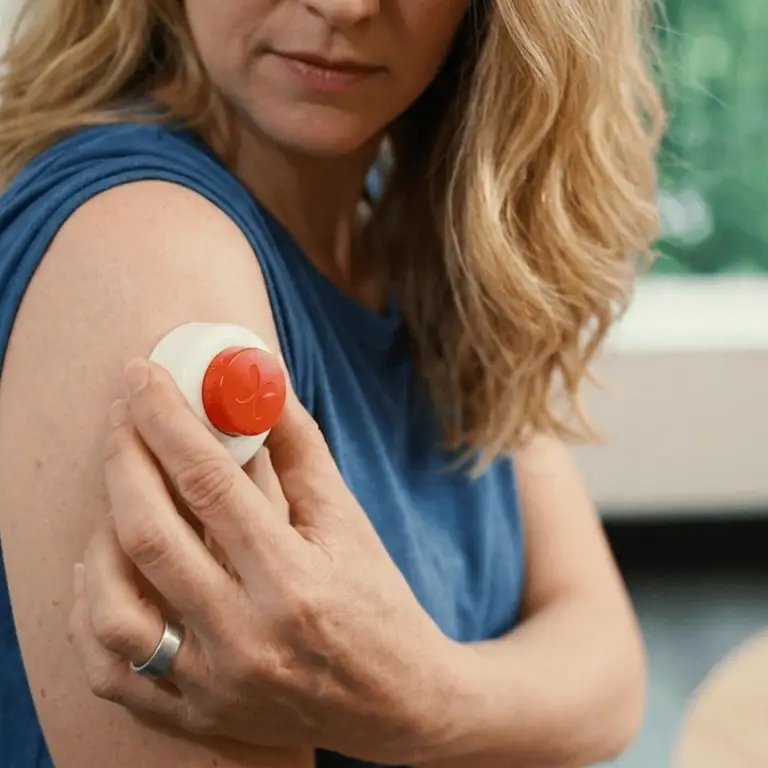
At Windsor Mews Clinic, we also offer the cutting-edge Tasso+ collection method On many (But not all) of our tests and profiles. This is a virtually painless way to collect high-quality blood samples at home without a traditional needle and syringe.
- The Tasso+ device collects capillary blood for many of our top performance and hormone panels.
- Ultimate Convenience: Collect your sample quickly at home or In-Clinic. Choose the option that works best for your monitoring needs.
- Painless Experience: Ideal for needle-averse athletes, Tasso+ draws blood from the upper arm with a button press and minimal sensation.
- Verified Accuracy: Our laboratory partners ensure that samples collected via Tasso+ meet rigorous standards required for elite performance tracking. For your convenience, results from Tasso+ samples are usually available within 2-3 business days. You can quickly apply personalised insights to your training and recovery schedule.
Further Insights
Inflammation
Frequently Asked Questions: Inflammation & Blood Testing
What is the difference between acute and chronic inflammation?
Acute inflammation is your body’s quick, protective response to sudden injury, tissue damage, or infection. It starts fast and usually goes away within days or weeks as you recover.
Chronic inflammation is a slow, ongoing immune response that can last for months or even years. It often develops without clear symptoms and can slowly harm healthy tissues and blood vessels. This type of silent inflammation is linked to problems like metabolic issues, heart disease, autoimmune conditions, and faster ageing at the cellular level.
Which specific blood tests measure systemic inflammation?
A full inflammation blood test usually checks four main markers in your blood:
- High-Sensitivity C-Reactive Protein (hs-CRP): This protein is made by your liver. It helps find low-level, long-term inflammation in your blood vessels and is often used to check your risk for heart disease.
- Erythrocyte Sedimentation Rate (ESR): Also known as the “sed rate,” this test shows how fast red blood cells settle in a test tube. A higher rate means there are more inflammatory proteins in your blood.
- Ferritin: This protein mainly stores iron in your body, but it also goes up when your immune system is active. Higher ferritin can be a sign of inflammation.
- Fibrinogen: This is a blood-clotting protein that rises when you have inflammation. It can give helpful information about both inflammation and heart health.
Can an inflammation blood test pinpoint the exact cause or location of my symptoms?
No. Inflammatory markers are not specific. They show that you have inflammation and how active it is, but they cannot tell you exactly where it is or what is causing it.
If these markers are high, your doctor will look at them together with your medical history, symptoms, and other tests to find out what is causing the problem.
Do I need to fast before taking an inflammation blood test?
You usually do not need to fast before tests for inflammation markers like hs-CRP, ESR, or fibrinogen. But if your blood test also checks things like fasting glucose, cholesterol, or a full metabolic panel, you might need to fast for 8 to 12 hours. Always follow the instructions from your clinic or lab.
What daily or temporary factors can cause a sudden spike in inflammation markers?
Inflammation markers can go up and down because of short-term factors. Some things that can temporarily raise your test results are:
- Recent acute illness: Minor viral infections, colds, or dental work.
- Strenuous exercise: Doing hard workouts or marathon training within a day or two before your test.
- Minor physical trauma: Muscle strains, sprains, or other minor injuries immediately before testing.
Clinical Tip: If you’ve just gotten over a mild illness or finished a tough workout, give your body a little time to recover before having routine blood tests. Waiting 24 to 48 hours after heavy exercise, or 1 to 2 weeks after being sick, lets stress and immune markers return to normal. This way, your results will show your real baseline.
Can changing your lifestyle or using certain therapies help lower inflammation markers?
Yes, making specific lifestyle changes and using certain therapies can lower chronic inflammation markers such as C-reactive protein (CRP), high-sensitivity CRP (hs-CRP), and inflammatory cytokines.
Here are some ways you can reduce overall inflammation:
- Exercise (in moderation): Intense workouts can temporarily raise inflammation as your muscles recover, but regular moderate exercise like cardio or bodyweight training helps lower your overall inflammation in the long run.
- Anti-inflammatory nutrition: Eating more whole foods, omega-3s (from oily fish, walnuts, and flaxseeds), polyphenols, and fiber, while cutting back on processed foods and sugars, can lower CRP levels in your blood.
- Sleep and stress management: Ongoing stress and not getting enough sleep can raise inflammation in your body. Aiming for 7 to 9 hours of good sleep each night and finding ways to manage stress can help keep your immune system balanced.
- Targeted supplements and therapies: Nutrients like Vitamin D, curcumin (from turmeric), and omega-3 fish oils have been shown to lower inflammation. Some clinical therapies, such as gut health programs or specific wellness treatments, can also help treat the root causes of inflammation.
Medical Disclaimer: This content is for informational and educational purposes only and does not constitute medical advice. Blood test results should always be evaluated by a qualified healthcare professional in the context of your overall medical history and clinical presentation.
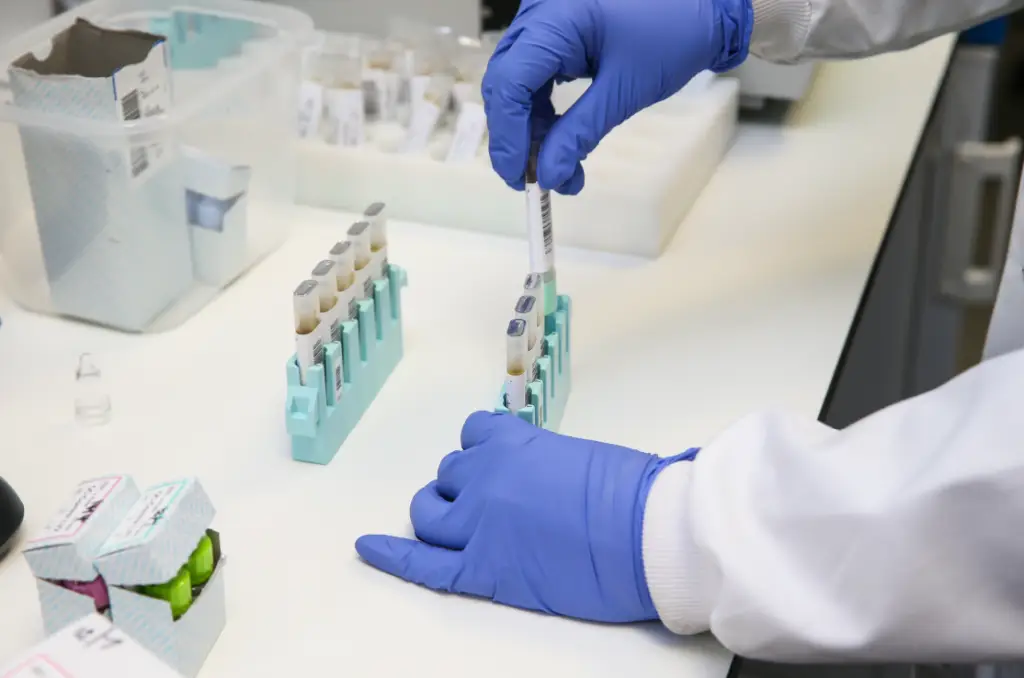
Why Choose Windsor Mews Clinic for Your Blood Tests?
Clinical Accuracy & Standards
At Windsor Mews Clinic, our blood testing profiles are developed using the latest UK clinical diagnostic standards. We ensure that every result meets the highest level of medical integrity.
- Laboratory Excellence: All samples are processed in UKAS-accredited laboratories, adhering to the same rigorous standards used by the NHS.
- Expert Oversight: Our thyroid and hormone panels are curated based on clinical guidelines provided by the British Thyroid Foundation and the Society for Endocrinology.
- Data Integrity: We use high-sensitivity assays (such as Roche or Abbott platforms) to ensure that even minor hormonal fluctuations are captured with precision.