
 Cart is empty

- Home
- About Us
- Adipeau
- Treatments
- Professional Skin Care Solutions
From hydration to anti-aging, explore treatments that work.
-
- Health & Performance Testing
- Health & Performance Testing
Flexible Blood Collection: In-Clinic or At-Home Convenience.
-
- Shop
- Blogs
- Contact
4 Performance Woman Profiles at Windsor Mews Clinic
Performance Woman: Bronze the Essential Baseline; Silver Hormone & Vitality; Gold The Active Woman Profile; Platinum Advanced Performance & Longevity
🥉 Bronze: The Essential Baseline
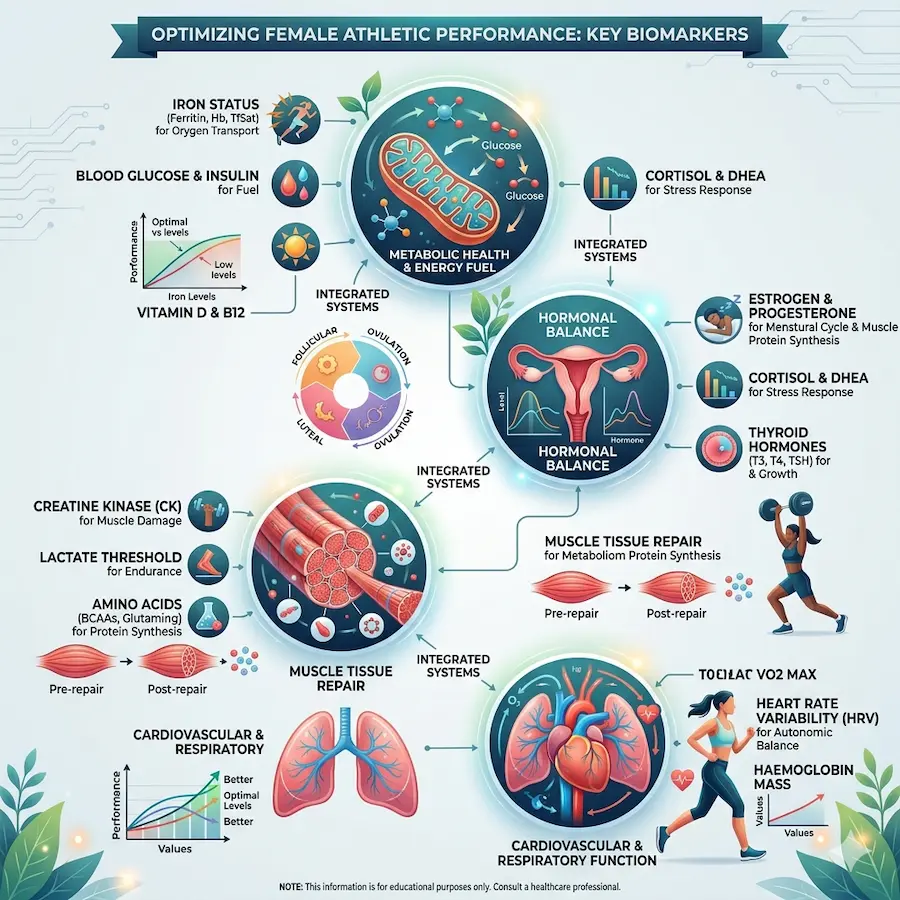
This Baseline Performance Woman Profile checks for common deficiencies, organ function, and cardiovascular risk. A "Health MOT", providing a benchmark for every woman
- Full Blood Count (FBC): Checks red/white blood cells and platelets. Crucial for spotting anaemia or hidden infections.
- Liver & Kidney Function: Includes ALT, AST, Bilirubin, Urea, and Creatinine to ensure these “filter organs” are processing waste correctly.
- Lipid Profile: Total Cholesterol, HDL (“good”), LDL (“bad”), and Triglycerides.
- Diabetes Screening (HbA1c): Measures your average blood sugar over the last 3 months.
- Iron Studies (Ferritin): Women are at higher risk for low iron; ferritin measures your actual “storage” rather than just what’s circulating.
- Vitamin D: Vital for bone health and immune function.


🥈 Silver: The Hormone & Vitality Profile
The Performance Woman Hormone & Vitality tier is recommended for women experiencing fatigue, mood changes, or cycle irregularities.
- Includes all Performance Woman Baseline markers plus:
- Thyroid Panel (TSH, FT3, FT4): While standard tests assess only TSH, this expanded panel evaluates additional hormones that regulate metabolism and energy.
- Female Hormones: Oestradiol, LH (Luteinising Hormone), and FSH (Follicle-Stimulating Hormone) are measured to assess cycle regularity and ovarian reserve.
- Vitamin B12 & Folate: Essential for nerve function and energy production.
- High-Sensitivity CRP (hs-CRP): A marker of low-grade systemic inflammation.
-
🥈 Silver: The Hormone & Vitality Profile £140.00
🥇 Gold: The Performance Woman Profile
The Performance Woman tier is chosen specifically for those who exercise regularly or lead high-stress lifestyles.
- Includes Baseline Performance Woman + Hormone markers
- Progesterone: is often tested on day 21 of a cycle to confirm if ovulation has occurred.
- Testosterone: for bone density, libido, and muscle tone.
- SHBG (Sex Hormone Binding Globulin): shows how much of that hormone is actually available for use.
- Magnesium & Phosphate: Key minerals support muscle contraction and recovery and help prevent cramps.
- Cortisol (Morning): The “Stress Hormone” level checker, which can be depleted by overtraining or chronic life stress.


💎 Platinum: Advanced Performance Woman + Longevity
The "Ultimate" test. Includes all previous markers plus specialised data for elite performance, metabolic health, and ageing.
- All Previous Markers plus:
- Full Iron Panel: Provides a complete picture of oxygen-carrying capacity by adding Iron, TIBC, and Transferrin Saturation checks to Ferritin.
- Thyroid Antibodies (TPO & TG): Screens for autoimmune thyroid issues (such as Hashimoto’s) before they are detected in standard TSH tests.
- DHEA-S: Acts as a precursor hormone, supporting the immune system and countering the effects of cortisol.
- Insulin (Fasting): Identifies ‘Insulin Resistance’ years before blood sugar problems develop when combined with HbA1c.
- Omega-3 Index: Measures the healthy fat ratio in cell membranes, which impacts recovery and heart health.
- Active B12 and folate. For methylation and cardiovascular recovery issues, Essential test for Vegans
-
💎 Platinum: Advanced Performance Woman + Longevity £270.00
Results: What's Next for the Performance Woman
After receiving your performance woman test results, treat the analysis as your first step toward your goals. This is your bridge to insights that let you confidently shape your training.
- If any results fall outside the reference range, review them with a qualified healthcare provider or sports medicine specialist.
- Keep in mind that some markers, such as Creatine Kinase or ALT, can rise after intense sessions due to muscle damage rather than an underlying problem.
- Additionally, use fasting insulin and HbA1c to check how your body manages your current carbohydrate intake.
- From here, check for nutrient deficiencies. If markers such as Ferritin or Vitamin D are low, discuss targeted supplementation and dietary adjustments with a professional.
- Similarly, note that high Cortisol or low Testosterone (Testosterone-to-Cortisol ratio) may signal overtraining. Adjust training volume and sleep if this occurs.
Strategic Testing Frequency: Timing Your Insights for Peak Performance
- Get the most from your analysis, look for trends over time—not isolated results. Pay attention to how your markers shift over months as your training load changes.
- Baseline Testing: It is ideal to establish a “Bronze” or “Silver” baseline during an off-season or a period of maintenance training to understand your “normal” levels.
- Standard Monitoring: For most active men, a comprehensive panel every 6 to 12 months is sufficient to track long-term health trends like HbA1c and Lipids.
- High-Intensity Phases: Elite athletes or those in a “peaking” phase may choose to test every 3 months to monitor acute recovery markers like Creatine Kinase and Free Testosterone.
- Post-Intervention: If you are correcting a specific deficiency (e.g., Vitamin D or Iron), re-testing the specific marker after 8 to 12 weeks of intervention is recommended to assess progress.
The Windsor Mews Clinic Advantage:
Plan your testing and follow-up. Windsor Mews Clinic guides you to select the right blood panels to meet your specific athletic goals.
- Seamless Private Access: Skip the wait times of traditional routes with our private lab services. You can order high-level “Performance” panels and complete your blood draw directly at our state-of-the-art facility. These panels are available only to adults aged 18 and over. Some tests may require a brief health screening before booking, and certain medical conditions may make you ineligible for specific panels. If you have questions about your eligibility, our team can guide you before you schedule your appointment.
- Performance markers: During our detailed evaluations, our clinicians focus on tests that are not always prioritised in standard primary care, such as ApoB and Fasting Insulin.
- Experienced Wellness Clinic: We provide the most comprehensive “Platinum” testing and are uniquely equipped to interpret your data within the context of high-performance training and recovery. Once your results are available, our clinicians provide a personalised review of your biomarker profiles, highlighting strengths and opportunities for improvement. These insights enable you to develop a targeted training or recovery plan tailored to your physiology and goals, ensuring that each recommendation supports your athletic progression and optimises your path to peak performance.
- We support the modern performance woman by monitoring each biomarker—hormonal and metabolic—using the highest clinical standards.

Prefer To Take Your Test At Home?
Effortless Precision: The Tasso+ Home Collection Advantage
At Windsor Mews Clinic, we also offer the cutting-edge Tasso+ collection method. This is a virtually painless way to collect high-quality blood samples at home without a traditional needle and syringe.
- The Tasso+ device collects capillary blood for many of our top performance and hormone panels.
- Ultimate Convenience: Collect your sample quickly at home or In-Clinic. Choose the option that works best for your monitoring needs.
- Painless Experience: Ideal for needle-averse athletes, Tasso+ draws blood from the upper arm with a button press and minimal sensation.
- Verified Accuracy: Our laboratory partners ensure that samples collected via Tasso+ meet rigorous standards required for elite performance tracking. For your convenience, results from Tasso+ samples are usually available within 2-3 business days. You can quickly apply personalised insights to your training and recovery schedule.
Further Insights
Exercise and Hormones
The Myth of the Exercise-Hormone Link
Fuel the Demand, Secure the Adaptation
Frequently Asked Questions: Performance Woman Blood Testing
Performance health is multifaceted. Here are common questions about optimising your biology for athletic and daily performance.
General Testing & Timing
- How often should I test performance markers?
Most active women benefit from testing every 3 to 6 months to monitor the effects of training, diet, and supplements. (Basal Values of Biochemical and Haematological Parameters in Elite Athletes, 2020) After starting a new routine, schedule a follow-up test at 8 weeks to detect early changes. (Skogstad et al., 2016) Your ideal schedule depends on age, training intensity, and health goals. Younger women or beginners may need less frequent testing, while older women, intense trainers, or those with health concerns may require more frequent assessments. (Blood Biomarker Profiling and Monitoring for High-Performance Physiology and Nutrition: Current Perspectives, Limitations and Recommendations, 2019, pp. 1653-1667) Adjust your testing frequency as your goals, health, or training evolve.
Should I fast before the blood draw?
Yes. For the most accurate glucose, cholesterol, and hormone measurements, fast for 8 to 12 hours before your appointment. Hydrate with water to facilitate the blood draw. Eating anything will trigger an insulin spike and temporarily alter your triglyceride and glucose levels, invalidating your metabolic and lipid markers. Also, eating a meal containing iron can artificially inflate your serum iron numbers on the test.
- What is the best time of day for the test?
The Must be Morning
- Cortisol: Your “stress hormone” follows a strict daily curve. It peaks sharply 30 to 45 minutes after you wake up and drops steadily throughout the day. A cortisol test taken at 2:00 PM is practically useless for evaluating baseline adrenal health unless it is compared with a morning sample.
- Testosterone: In both men and women, testosterone levels are at their absolute highest in the early morning and can drop by up to 20–30% later in the day.
- TSH (Thyroid Stimulating Hormone): TSH has a circadian rhythm that peaks overnight and drops to its lowest point by late afternoon. To catch your true baseline and avoid missing a subtle underactive thyroid (hypothyroidism), a morning test is essential.
- Iron Panel & Ferritin: Serum iron levels can fluctuate wildly by 30–50% over the course of a single day, usually peaking in the morning and dropping by the evening.
- Medication/Supplement check: If you take biotin (common in hair, skin, and nail vitamins), stop it 48 to 72 hours beforehand. Biotin interferes with lab assays, causing falsely high thyroid hormones (FT3/FT4) and falsely low TSH. If you take thyroid medication, hold your dose until after the blood test.
Markers That Stay Stable
⚠️ A Crucial Note for the “Female Hormones” (Oestradiol, LH, FSH, Progesterone):
- Oestradiol, LH, and FSH are typically tested during Days 2 to 5 of your period (the follicular phase) to establish a baseline.
- Progesterone is usually tested on Day 21 of a standard 28-day cycle (or 7 days after ovulation) to confirm if ovulation actually occurred.
What distinguishes “Normal” from “Optimal”?
“Normal” ranges show what’s typical in the population, including inactive or unhealthy people. “Optimal” ranges are narrower, reflecting the levels at which high performers excel. Athlete studies determine these values, prioritising peak performance over minimum health. (Martínez et al., 2022) Our reports show these zones so you can aim beyond simply avoiding illness.
If your results fall between the “normal” and “optimal” ranges, use this as feedback for improvement. It means your values are healthy, but there may still be room to enhance your training, recovery, nutrition, or supplement strategy to reach peak performance. Consider discussing targeted adjustments with a coach or nutritionist and monitor your next results to track progress.
- Do enzymes (ALT/AST) rise after workouts?
Intense weightlifting can briefly increase liver enzymes due to muscle breakdown, not liver damage. (Kim & Wu, 2020) For accurate results, avoid strenuous exercise for 24 to 48 hours before testing.
Performance Specifics
- Will this test show if my supplements are effective?
Yes, accuracy varies by marker because each blood test measures different forms and locations of nutrients in your body. Some markers are tightly regulated in the blood, while others reflect longer-term stores or are affected by inflammation or illness. Biological differences mean blood tests can track trends over time, but not all results reflect your true overall status equally. Allow enough time for levels to shift before retesting.
Breakdown by Marker/Supplement
- Vitamin D (25-hydroxy): Highly reliable. It directly reflects your circulating levels. (Evaluation, Treatment, and Prevention of Vitamin D Deficiency).
- Ferritin (Iron Stores): Reliable, with a catch. It tracks long-term iron storage, but can show a falsely high reading if you are sick or have inflammation. To check whether inflammation is affecting your ferritin, watch for signs such as fatigue, fever, or body aches, or ask your healthcare provider to run a C-reactive protein (CRP) test.
- Tip: Wait 3 months before retesting to see substantial progress.
- Magnesium (Serum): Least reliable. Only 1% of your body’s magnesium is in the blood. Levels may appear normal even if you are depleted elsewhere. If you have symptoms like muscle cramps, fatigue, or an irregular heartbeat but your serum magnesium is normal, consider speaking with a medical provider for further evaluation and advice.
- Tip: Ask for an RBC Magnesium test for a more precise reflection of your cellular status.
Tip: When Selecting Supplements.
Look for brands that are third-party tested for purity and ingredient accuracy. Choose products that carry certifications by organisations such as NSF Certified for Sport, Informed Choice, or USP, or have a clear batch testing policy published on the company’s website. Avoid supplements with proprietary blends or unclear labelling. Switching to reputable, third-party-tested supplements or modifying your dosage may help. Ask your healthcare provider about additional tests or dietary adjustments if necessary.
- Can blood tests detect overtraining syndrome?
Yes. We check the Cortisol-to-Testosterone ratio and the Creatinine Kinase (CK) level. High Cortisol and low Testosterone suggest poor recovery from training.
- What if my results are “Red” or out of range?
Stay calm. A “Red” result is one data point, not a diagnosis. Retest in 1 to 2 weeks, especially if you recently had intense exercise, illness, or lifestyle changes before the blood draw. Evaluate your recent sleep, hydration, stress, and nutrition. Minor adjustments can often correct results. For example, aim for 7 to 9 hours of quality sleep per night, increase your daily water intake, reduce alcohol consumption, or add more fruits, vegetables, and lean protein to your meals. Review your supplement or medication usage and try to manage stress through relaxation techniques or lighter training weeks. If you suspect overtraining, add more rest days or try active recovery sessions. If levels remain out of range after retesting, or if you have symptoms, share your report with your GP or sports doctor for next steps. Small lifestyle changes can normalise these values.
Privacy & Data
- Is my data shared with insurance companies?
No. Your results are private and protected with strong encryption. We do not share data with insurers or employers. You control report access. Your personal health data is stored securely for as long as your account remains active, or as required for service quality and legal compliance. You can request the deletion of your data at any time by contacting support. Once deletion is confirmed, your information will be permanently removed from our systems within 30 days. This gives you full control over your records, both now and in the future.
References
Elharrar, J. (2026). Exercise, Hydration and Blood Tests. LABOLOGY. https://www.labology.ch/blog/exercise-hydration-and-blood-tests
MD, H. E. (April 16, 2024). What blood tests require fasting? Harvard Health Publishing. https://www.health.harvard.edu/staying-healthy/ask-the-doctor-what-blood-tests-require-fasting
(n.d.). Blood Test Analyser for Athletes – Interpret Your Results. Topend Sports. https://www.topendsports.com/testing/tests/blood-test.htm
Trinh, K. V., Diep, D., Chen, K. J., Huang, L., & Gulenko, O. (2020). Effect of erythropoietin on athletic performance: a systematic review and meta-analysis. BMJ Open Sport Exerc Med 6(1). https://doi.org/10.1136/bmjsem-2019-000716
Kim, J. V. & Wu, G. Y. (2020). Body Building and Aminotransferase Elevations: A Review. J Clin Transl Hepatol. 2020 Jun 28;8(2):161-167. https://doi.org/10.14218/JCTH.2020.00005
Vento, K. A. & Wardenaar, F. C. (2024). Collegiate Student-Athletes’ Use and Knowledge of Third-Party-Tested Nutritional Supplements: An Exploratory Study. Frontiers in Sports 2. https://doi.org/10.3389/fspor.2024.00115
Houmard, J. A., Costill, D. L., Mitchell, J. B., Park, S. H., Fink, W. J., & Burns, J. M. (1990). Testosterone, cortisol, and creatine kinase levels in male distance runners during reduced training. International Journal of Sports Medicine 11(1), pp. 41-45. https://doi.org/10.1055/s-2007-1024760
Dall, R. D., Cheung, M. M., Shewokis, P. A., Altasan, A., Volpe, S. L., Amori, R., Singh, H., & Sukumar, D. (2023). Combined vitamin D and magnesium supplementation does not influence markers of bone turnover or glycemic control: A randomised controlled clinical trial. Nutr Res. 2023 Feb; 110:33-43. https://doi.org/10.1016/j.nutres.2022.12.005
Physicians, A. C. (2021). Health Information Privacy, Protection, and Use in the Expanding Digital Health Ecosystem: A Position Paper of the American College of Physicians (2021). Annals of Internal Medicine. https://www.acpjournals.org/doi/10.7326/M20-7639
Winget, C. M., DeRoshia, C. W., & Holley, D. C. (1985). Circadian rhythms and athletic performance. Med Sci Sports Exerc 17(5), pp. 498-516. https://doi.org/10.1249/00005768-198510000-00002
Gall, H., Glowania, H. J. & Fischer, M. (1979). Circadian rhythm of testosterone level in plasma. I. Physiologic 24-hour oscillations of the testosterone level in plasma. Andrologia 11(4), pp. 287-292. https://doi.org/10.1111/j.1439-0276.1979.tb00404.x
Why Choose Windsor Mews Clinic for Your Blood Tests?
Clinical Accuracy & Standards
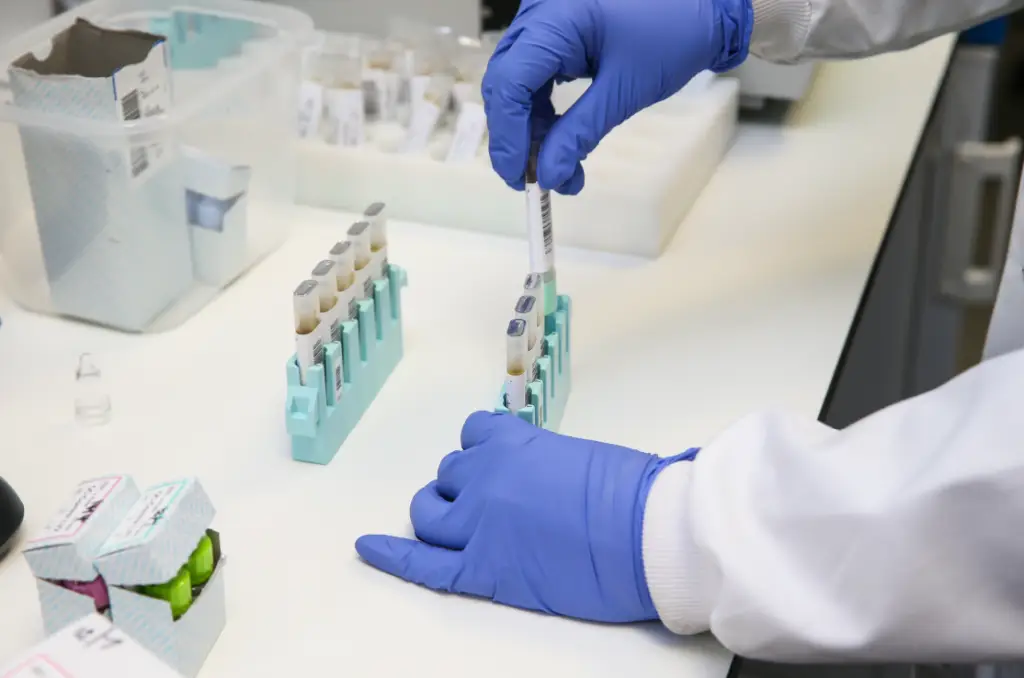
At Windsor Mews Clinic, our blood testing profiles are developed using the latest UK clinical diagnostic standards. We ensure that every result meets the highest level of medical integrity.
- Laboratory Excellence: All samples are processed in UKAS-accredited laboratories, adhering to the same rigorous standards used by the NHS.
- Expert Oversight: Our thyroid and hormone panels are curated based on clinical guidelines provided by the British Thyroid Foundation and the Society for Endocrinology.
- Data Integrity: We use high-sensitivity assays (such as Roche or Abbott platforms) to ensure that even minor hormonal fluctuations are captured with precision.